New vs Used Engine: Which Choice Is Best for You?
When considering whether to invest in a fresh engine or select a used one, numerous factors need to be evaluated. Budget limitations, intended use, and reliability are vital elements to examine. Each option presents distinct advantages and disadvantages. Understanding these nuances will assist in determining which option suits specific needs. What factors should be focused on to guarantee the right decision is made? The discussion advances as we explore the implications of each option.
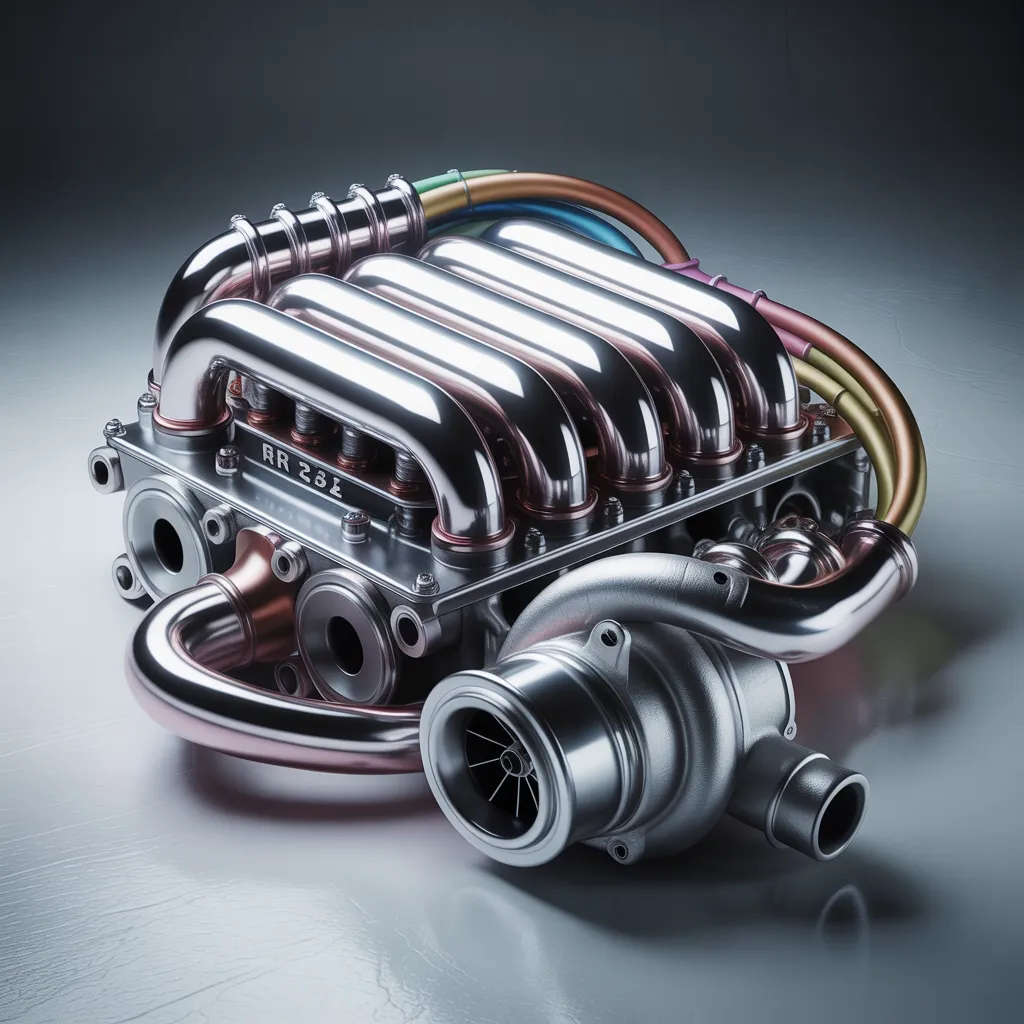
Comprehending New and Used Engines: A Selection Framework
When considering the purchase of an engine, individuals must address the complexities of choosing between a brand-new or pre-owned option. This decision framework includes several critical factors. First, buyers should evaluate their budget, as new engines typically demand higher initial costs, whereas used options can present significant savings. Next, individuals must assess the intended use of the engine. For high-performance applications, a new engine might provide reliability and advanced technology, whereas a used engine may suffice for less demanding tasks.
An additional consideration is warranty and support; new engines usually come with manufacturer warranties, offering peace of mind. In contrast, used engines may have restricted or no warranties, posing potential risks. Finally, buyers should investigate the engine's history, condition, and compatibility with their vehicle. By evaluating these factors, individuals can make educated decisions that align with their specific needs and financial circumstances.
Why a Brand New Engine Might Be Your Top Choice
Why choose a new engine over a used one? Choosing a new engine delivers several significant advantages. Primarily, a new engine offers reliability and performance, as it is manufactured to the latest specifications and standards. This delivers maximum efficiency and longevity, minimizing the risk of unexpected breakdowns. In addition, new engines often come with warranties, delivering peace of mind and financial protection against potential defects or failures.
Furthermore, advancements in technology ensure that modern engines commonly provide superior fuel efficiency and decreased emissions, corresponding to environmental considerations and potential cost reductions at the pump. The customization choices available for new engines also enable buyers to choose features that best suit their demands, elevating the overall driving experience.
Perks of Selecting a Used Engine
Choosing a used engine can offer considerable financial savings, making it an appealing alternative for many vehicle owners. One of the primary advantages is the decreased cost compared to new engines, which can often be unreasonably expensive. This affordability allows owners to dedicate funds to other maintenance or upgrades for their vehicles.
Moreover, pre-owned engines are generally easily accessible, specifically for vintage or out-of-production vehicles, ensuring that car owners can discover fitting selections without substantial delays. Furthermore, numerous used engines offer a track record of performance, which can provide understanding of their consistency and long-term performance.
Acquiring a used engine also encourages sustainability by decreasing waste and encouraging the reuse of existing materials. For those who prioritize both cost-effectiveness and environmental responsibility, a used engine can be a practical solution, providing a balance of performance and value without the financial pressure of new engine purchases.
New versus Used Engine Pricing: What You Should Expect
Choosing between a new and used engine requires a careful consideration of costs that can significantly impact a vehicle owner's budget. New engines typically feature a higher price tag, often varying from several thousand to tens of thousands of dollars, depending on the make and model. This price often includes a warranty, which can offer peace of mind for buyers. In contrast, used engines are generally more budget-friendly, with costs varying based on age, condition, and mileage. Prices can range from a few hundred to a few thousand dollars, making them an desirable option for budget-conscious individuals. However, potential buyers should account for additional costs such as installation and any required modifications. Overall, understanding these cost differences can help vehicle owners make well-informed decisions that correspond to their financial situation and long-term vehicle plans.
Trustworthiness and Performance: Brand New vs. Pre-Owned Engines
When evaluating the reliability learn the details and performance of engines, new engines usually deliver considerable advantages over their used counterparts. New engines are engineered with the latest technology and materials, ensuring enhanced efficiency, reduced emissions, and improved power output. They are subjected to rigorous testing to meet modern standards, which typically leads to fewer mechanical issues and a longer lifespan.
By comparison, used engines can have wear and tear from prior use, potentially causing diminished performance and reliability. Aspects such as maintenance history, mileage, and age can significantly influence their condition. While some used engines might function adequately, the risk of unanticipated failures and expensive repairs is more significant.
Ultimately, for those focusing on reliable performance and peace of mind, choosing a new engine can be more advantageous. Used engines may appeal to budget-conscious buyers, but they involve inherent uncertainties regarding reliability and long-term performance.
Support and Warranty Considerations
Although new engines typically come with extensive warranties that provide broad coverage against defects and failures, used engines frequently lack such guarantees, which can lead to unexpected expenses for buyers. New engine warranties usually cover both parts and labor for a designated duration, providing peace of mind and financial protection. Buyers can expect help from manufacturers, including regular maintenance recommendations and access to customer service.
Conversely, pre-owned engines may have restricted warranty options, leaving purchasers responsible for any fixes. This absence of coverage can add complexity to the selection process, as interested buyers must assess the engine's condition and history. In addition, the availability of support may differ, with some suppliers providing inadequate assistance. As a consequence, buyers considering their options must weigh the benefits of strong warranty coverage against the potential risks related to purchasing a secondhand engine, evaluating both their budget and their readiness to handle unexpected repairs.
Is One Option Better for the Environment?
What is the environmental impact comparison between new and used engines? New engines typically incorporate advanced technologies created to increase fuel efficiency and minimize emissions. They typically meet tougher environmental regulations, resulting in lower carbon footprints. That said, the manufacturing process of a new engine requires significant resources and energy, leading to environmental degradation.
On the other hand, pre-owned engines, while potentially less efficient, encourage sustainability by extending the life of existing materials and reducing waste. Their production has already contributed to environmental impact, making their use a greener option in some cases.
Ultimately, the environmental benefits of each option are based on numerous factors, including the specific engine models and their operational efficiencies. For individuals prioritizing sustainability, considering the lifecycle emissions and resource use of both new and used engines is crucial in making an informed decision.
FAQ
How Do I Find a Reputable Used Engine Supplier?
To find a trustworthy used engine dealer, one should research online testimonials, request recommendations from experienced mechanics, verify warranties, and ensure the dealer provides comprehensive engine history and compatibility information for unique vehicle demands.
Am I Able to Install a New Engine by Myself?
Self-installation of a new engine is achievable, provided one possesses adequate mechanical skills, equipment, and knowledge of the vehicle. Nevertheless, it is recommended to seek professional help to confirm proper installation and eliminate potential complications.
What Are Common Issues With Used Engines?
Typical problems associated with used engines consist of oil leaks, considerable degradation, timing belt malfunctions, and excessive heat buildup. In addition, unclear service records and latent structural problems can lead to unexpected performance problems after installation. Trustworthiness might vary greatly.
What Is the Average Longevity of New Engines?
Brand new engines typically last between 150,000 to 300,000 miles, subject to maintenance and driving conditions. Consistent upkeep, parts quality, and driving habits significantly impact their durability and performance during their service life.
Is Financing Available for New Engines?
Yes, various financing options are available for new engines, including bank loans, credit union financing, and dealer financing options. Such options allow customers to control expenses effectively while investing in a trustworthy engine for their vehicle.