Beams Engine Services: Elevate Your Vehicle's Capabilities Today
Beams Engine Services specializes in maximizing automotive capability through advanced diagnostics and personalized solutions. Their expert team highlights critical metrics such as horsepower and torque, ensuring vehicles operate efficiently. With options for tuning and upgrades, they address both performance and emissions. As more car enthusiasts seek to maximize their car's full potential, learning about the advantages and techniques of engine improvement becomes critical. What prospects await those ready to boost their driving experience?
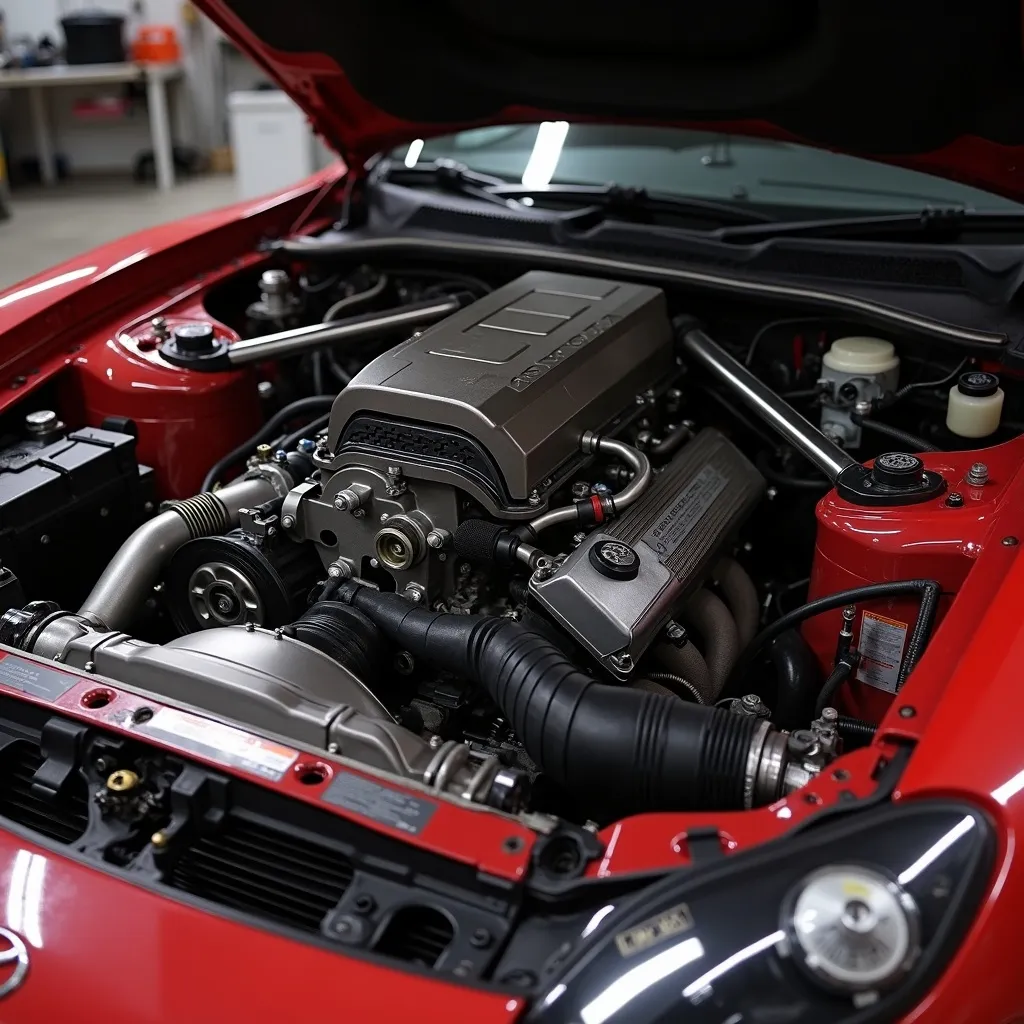
Essential Ideas of Engine Output: Important Measurements Outlined
Engine performance is a crucial component of vehicle power and efficiency. Several vital measurements define how well an engine performs. Horsepower measures the engine's capacity for work, demonstrating how fast a vehicle can accelerate. Torque, meanwhile, denotes the turning force produced by the engine, necessary for activities such as towing and climbing hills.
Another vital indicator is fuel economy, often stated in miles per gallon (MPG). This value evaluates how effectively an engine transforms fuel into motion, directly impacting operating costs. Additionally, engine quickness is essential; it assesses how quickly an engine can react to driver inputs, impacting overall driving experience.
Lastly, exhaust emissions is becoming more important, reflecting the engine's ecological footprint. Comprehending these measurements enables vehicle owners to assess efficiency, guaranteeing informed decisions concerning maintenance and upgrades, ultimately improving their driving experience.
How We Improve Your Vehicle Capabilities
To increase vehicle capacity, advanced analysis methods are leveraged to uncover underlying issues. These methods render a clear grasp of a vehicle's condition, enabling the implementation of focused improvement methods. By handling both diagnostics and enhancements, ideal vehicle functionality can be achieved.
State-of-the-Art Diagnostic Techniques
Revealing a vehicle's full potential requires accurate and cutting-edge diagnostic techniques. in-depth article At Beams Engine Services, experienced technicians utilize modern tools and software to detect underlying issues that may impede performance. These diagnostic methods include extensive scanning of onboard systems, analyzing engine codes, and conducting detailed performance assessments. By examining parameters such as fuel efficiency, ignition timing, and exhaust emissions, technicians can pinpoint inefficiencies that affect overall operation. Additionally, advanced diagnostic techniques facilitate the early detection of potential problems, allowing for swift interventions. This proactive approach not only improves vehicle reliability but also guarantees peak functionality. Ultimately, these careful assessments form the foundation for customized performance improvements, setting the stage for a vehicle that operates at its best.
Performance Advancement Alternatives
After detecting engine problems through sophisticated analysis methods, the focus shifts to implementing engine optimization strategies. Beams Engine Services specializes in a variety of modifications designed to optimize engine output. These offerings include upgraded intake systems, exhaust systems, and motor calibration, all intended to improve power and acceleration. Additionally, the team provides suspension upgrades and brake upgrades, making certain that vehicles not only operate more efficiently but also handle more responsively. By employing quality parts and expert installation, Beams Engine Services ensures enduring results. Routine maintenance checks are also highlighted to maintain improved capabilities over time. Ultimately, these tailored solutions provide drivers with a more engaging and satisfying ride, elevating their vehicle's capabilities to new heights.
Engine Performance Modifications: What Options Are Available?
What options exist for enhancing engine power? Vehicle drivers have several avenues to consider, each addressing different performance objectives. One favored upgrade is the addition of a performance-enhancing air intake system, which can boost airflow and improve combustion efficiency. Another choice includes upgrading the exhaust system, enabling for better expulsion of gases, which can enhance power output.
Recalibrating the engine's ECU is another effective solution, maximizing fuel delivery and ignition timing for superior efficiency. For those wanting more significant power gains, forced induction systems can be fitted, compressing air entering the engine for enhanced performance.
In conclusion, replacing fuel injectors and utilizing premium high-octane fuel can also support more robust engine performance. Each of these alternatives delivers distinct benefits, enabling vehicle owners to tailor their upgrades in line with their performance aspirations and driving needs.
Top 5 Key Benefits of Improved Engine Efficiency
An improved engine performance offers a variety of benefits that can significantly boost a vehicle's overall functioning and driving experience. First, it leads to improved fuel economy, allowing drivers to go farther on reduced fuel consumption, reducing total expenses. Additionally, improved efficiency often results in lower emissions, contributing to a more environmentally friendly operation. Moreover, an efficient engine can deliver more power, delivering faster speed gains and better reaction time, which can significantly elevate the driving experience. Fourth, refined engine functioning can result in reduced engine wear, prolonging the lifespan of key parts and reducing maintenance costs over time. Finally, enhanced engine efficiency can result in reduced noise, improving interior comfort and reducing noise pollution. Collectively, these advantages present a convincing case for why vehicle owners ought to emphasize engine performance when evaluating enhancement modifications.
The Way Modern Solutions Strengthens Engine Tuning
In modern vehicle design, technology plays an essential role in optimizing engine performance. High-tech diagnostic systems supply live metrics, facilitating swift issue recognition and improving system productivity. Additionally, meticulous adjustment procedures enable mechanics to fine-tune engines for maximum power and fuel economy.
Advanced Testing Tools
Leveraging the capabilities of state-of-the-art diagnostic tools transforms engine optimization, allowing technicians and car enthusiasts alike to identify operational problems with precision. These instruments, outfitted with cutting-edge innovations, provide real-time data that showcases engine performance metrics. By leveraging onboard diagnostics, mechanics can rapidly assess error codes and locate malfunctions, streamlining the diagnostic procedure. Furthermore, diagnostic software analyze automotive specifications, permitting for comprehensive evaluations of fuel efficiency, exhaust output, and overall engine health. This analytics-based methodology improves decision-making, guaranteeing that repairs are targeted and effective. In the end, advanced diagnostic technology not only improve the precision of motor evaluations but also contribute to extended car longevity and improved functionality, making them indispensable in contemporary car maintenance.
Perfect optimization procedures designed to advance overall functionality
High-tech testing equipment establish the basis of precision tuning techniques, which harness modern technology to refine engine performance. Such approaches utilize specialized software to evaluate engine parameters continuously, facilitating calibration modifications that improve gas mileage and power output. By leveraging complex computational tools and analytical data review, tuning professionals can locate operational inefficiencies and perform required adjustments to ignition scheduling, fuel-air balance, and other parameters. Beyond this, dynamometer assessment furnishes important understanding regarding performance shifts, guaranteeing each modification achieves quantifiable gains. Through engine calibration, motor vehicles can achieve enhanced reaction capability and dependable operation. This technical methodology maximizes operational capacity and simultaneously prolongs vehicle longevity, establishing engine calibration a fundamental part in contemporary engine optimization.
Success Stories: How Engine Optimization Changed Lives
Engine optimization has transformed countless lives, enhancing not only vehicle performance but also the driving experience itself. For many motorists, the benefits have been transformative. One individual, a young entrepreneur, shared that after fine-tuning his car's motor, he noticed a substantial boost in gas mileage, allowing him to reduce costs on gas and put funds in his expanding enterprise. Another inspiring account comes from a family who, after engine tuning, found their travels more enjoyable due to improved acceleration and maneuverability, creating memorable experiences on the open road.
Additionally, car enthusiasts have uncovered that engine optimization not only boosts horsepower but also elevates overall satisfaction with their vehicles. The exhilaration of driving a finely tuned engine has revived passions for many, making each journey memorable. These narratives exemplify how engine optimization at Beams Engine Services surpasses mere mechanics, impacting lives and creating meaningful relationships between drivers and their vehicles.
What's the Easiest Method to Begin Using Beams Engine Offerings?
To initiate the journey of enhancing vehicle performance with Beams Engine Services, drivers should first undertake thorough research on the different services provided. This involves comprehending engine tuning, improvement modifications, and diagnostic services tailored to specific car models.
Next, potential customers should evaluate their vehicles' current states and identify particular performance goals, such as improved horsepower or fuel economy. Working with knowledgeable staff at Beams Engine Services can give direction into the most effective services for each vehicle's requirements.
Setting up an preliminary meeting is required, as it permits drivers to explore their objectives and get personalized advice. Moreover, reviewing customer reviews and endorsements can help in assessing the credibility and effectiveness of the services.
Finally, drivers should get ready for any required maintenance or fixes, making sure their vehicles are prepared for peak performance enhancements. By following these steps, motorists can effectively begin their performance-boosting journey with Beams Engine Services.
Frequently Asked Questions
How lengthy is the Process for an Engine Performance Upgrade?
An engine performance upgrade often takes from a short number of hours to several days, determined by the complication of the modifications and the named vehicle. Proper planning and coordination can greatly influence the entire timeframe.
Would Performance Upgrades Revoke My Vehicle's Warranty Coverage?
Performance enhancements might potentially nullify a vehicle's warranty, depending on the manufacturer's standards. It is necessary for vehicle owners to review warranty terms and consult with professionals to comprehend the implications of modifications before proceeding.
Which Types of Vehicles Can Benefit From Your Services?
Numerous cars can benefit from performance enhancements, including sports cars, trucks, and SUVs. Enhancements can enhance speed, handling, and fuel efficiency, appealing to devoted enthusiasts and regular motorists looking for a more exhilarating driving experience.
What Risks Are Connected to Engine Performance Improvements?
Yes, engine performance upgrades can pose hazards such as greater wear and tear, possible heat buildup, and voiding coverage. Proper assessment and expert guidance are essential to minimize these risks and confirm secure changes.
How Consistently Should I Service My Engine for Superior Performance?
For optimal performance, an engine should be maintained every 5,000 to 7,500 miles, depending on the vehicle and road conditions. Routine upkeep guarantees longevity and efficiency, reducing the likelihood of expensive maintenance and operational problems.